
Blog sui tour di Venezia

Autore: Giacomo Berto 21 maggio 2026
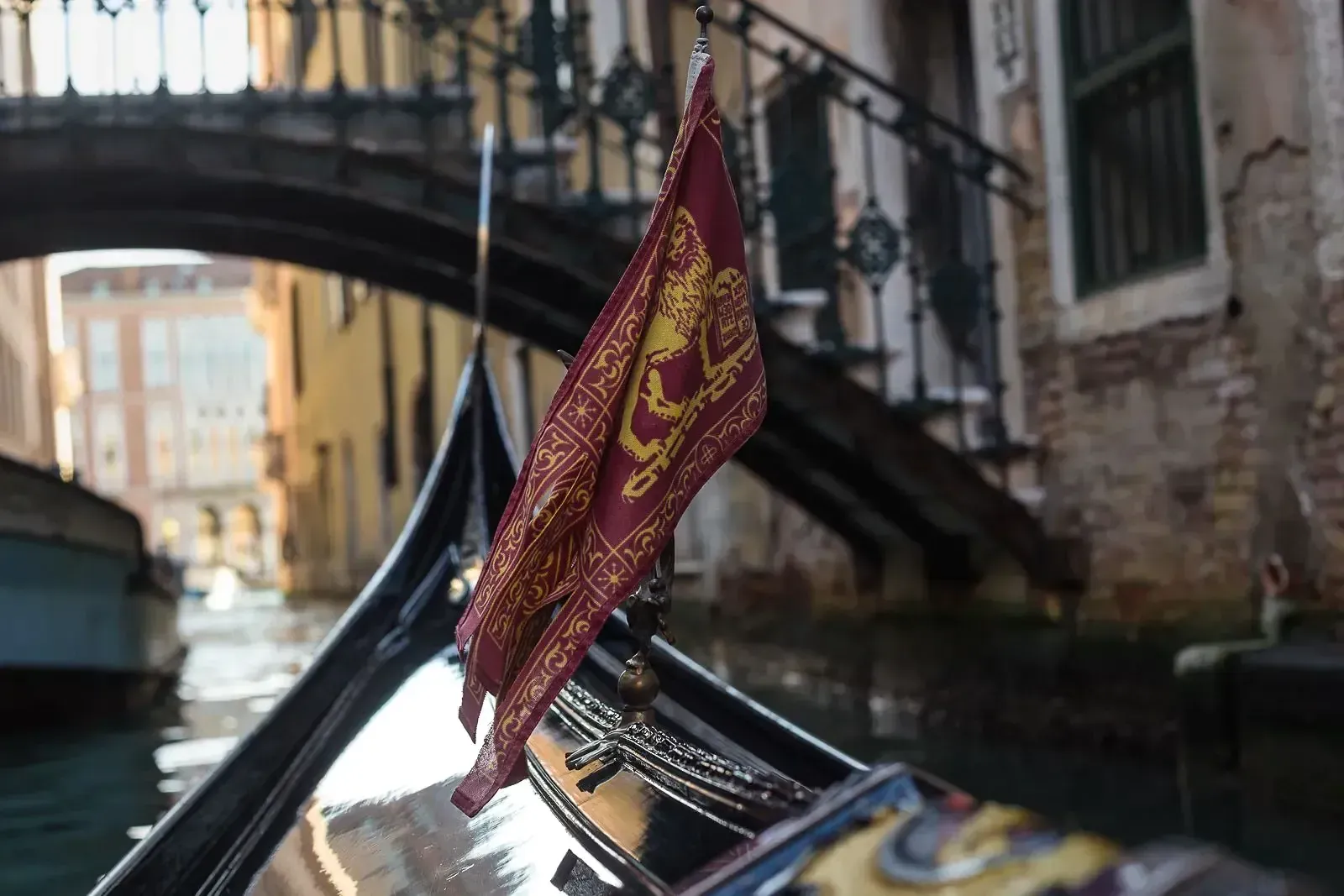
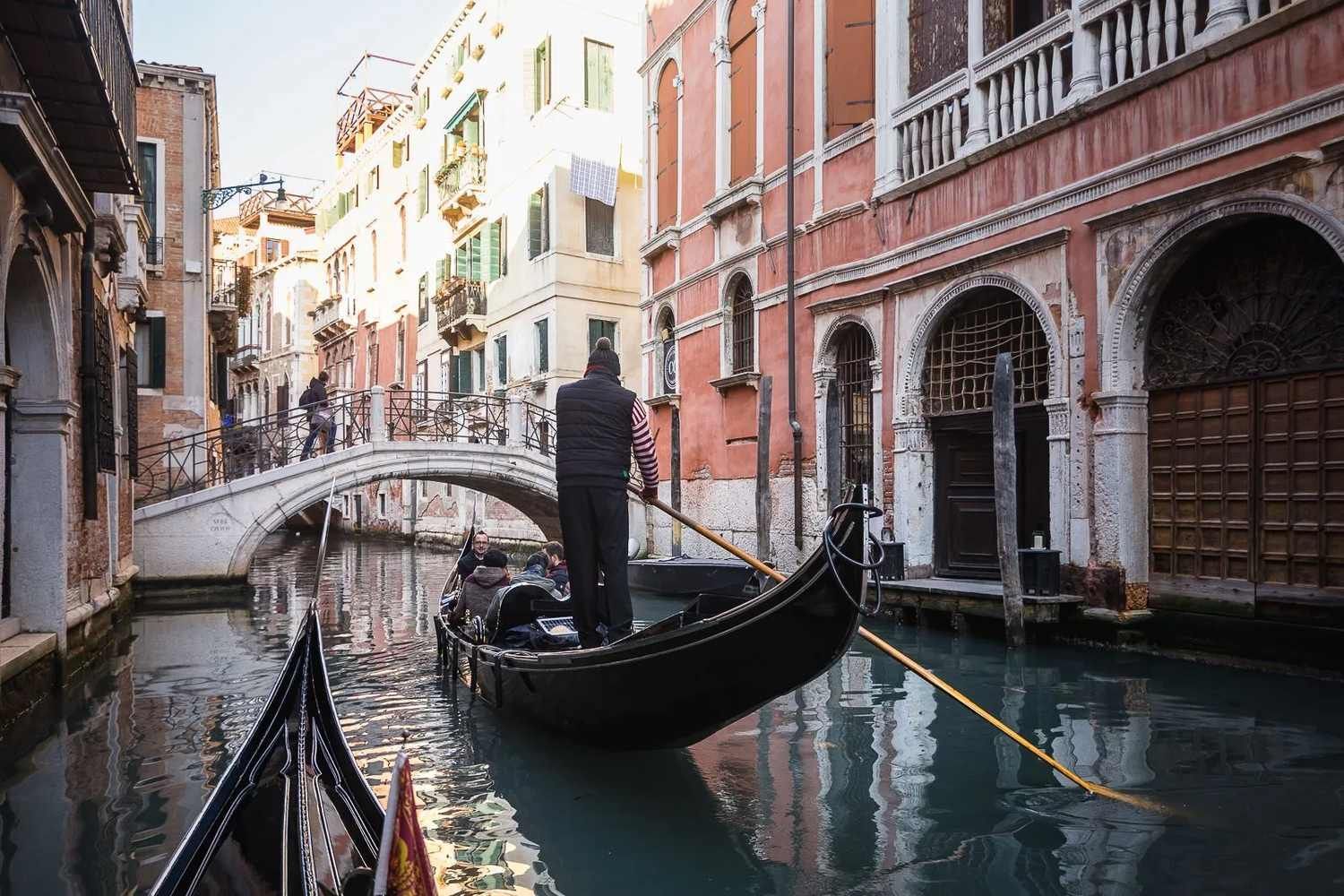
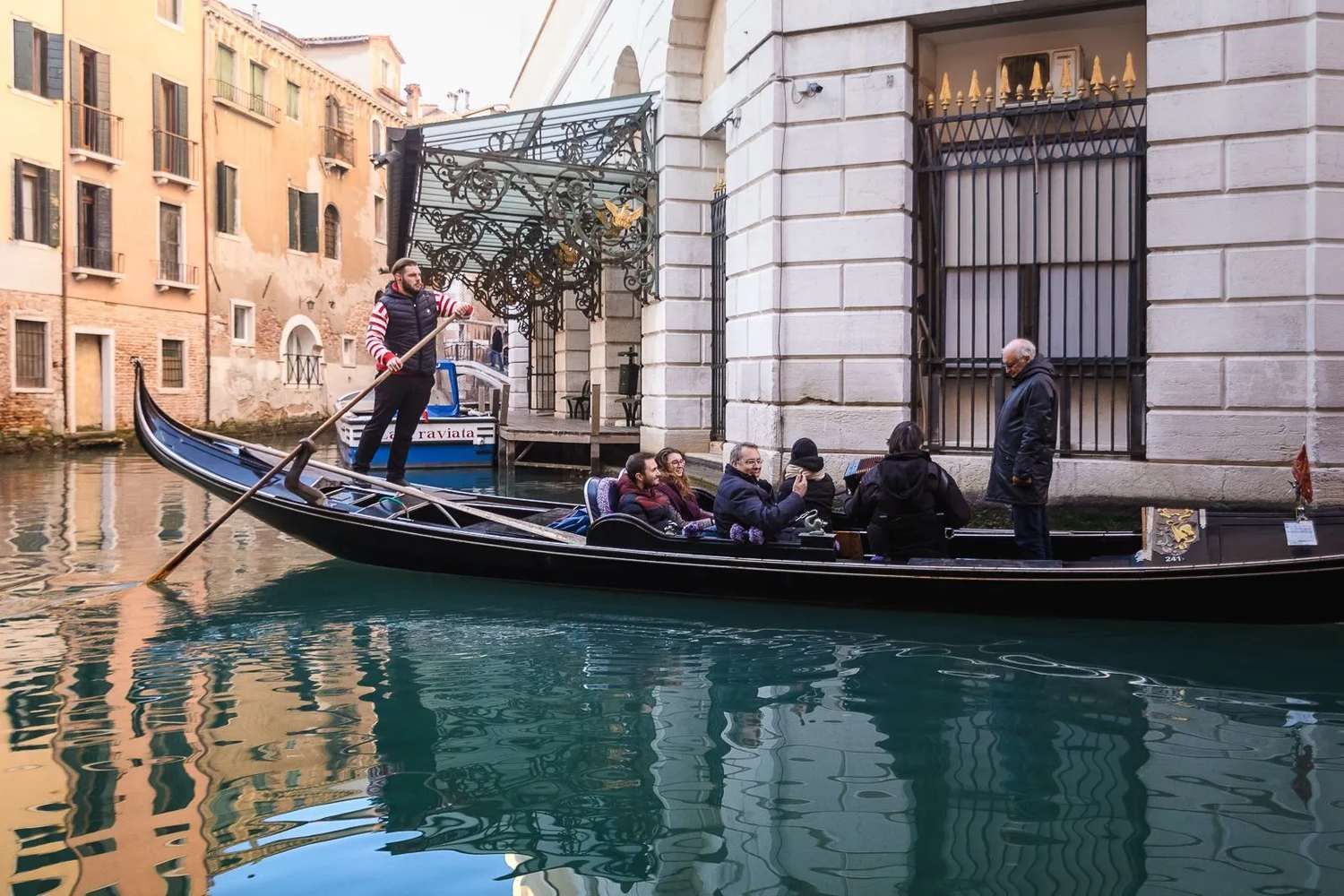
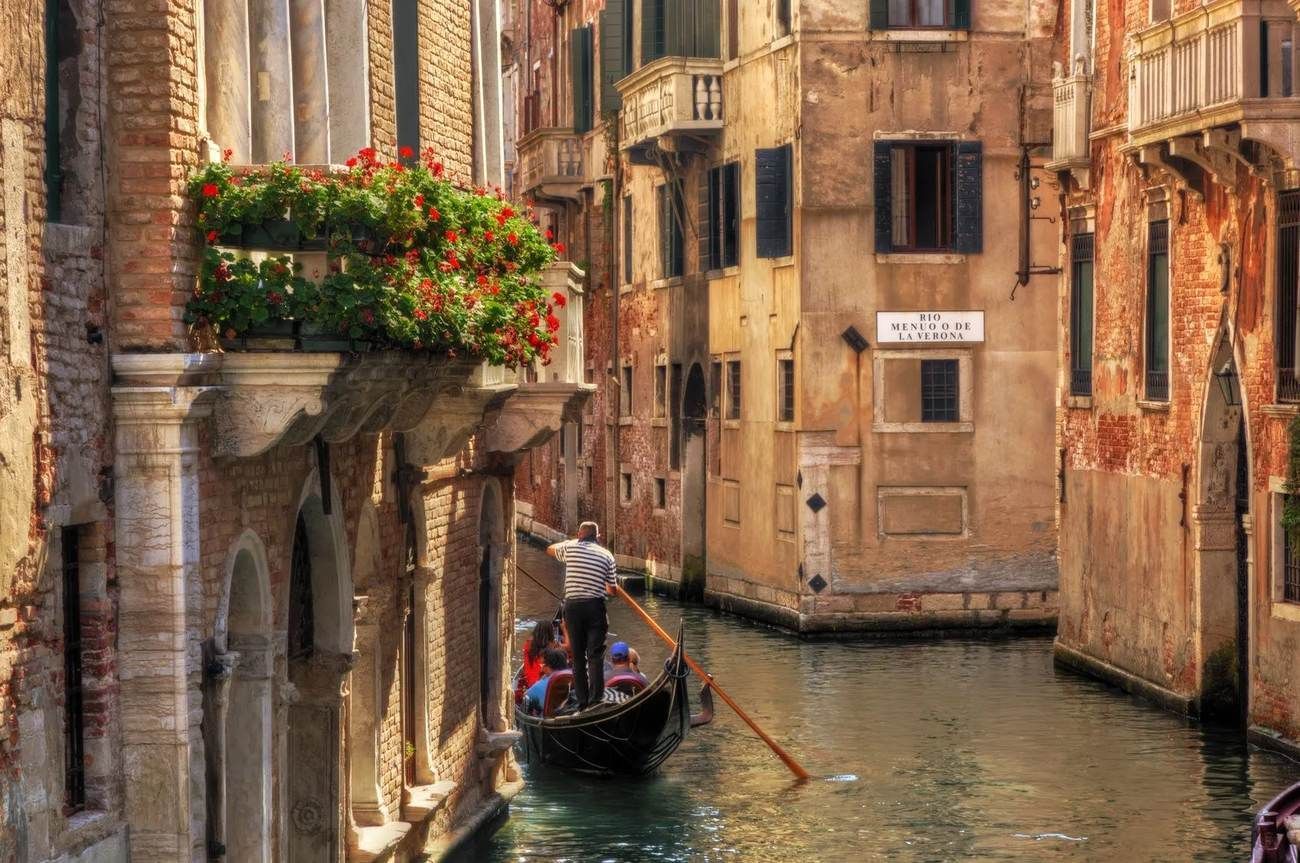
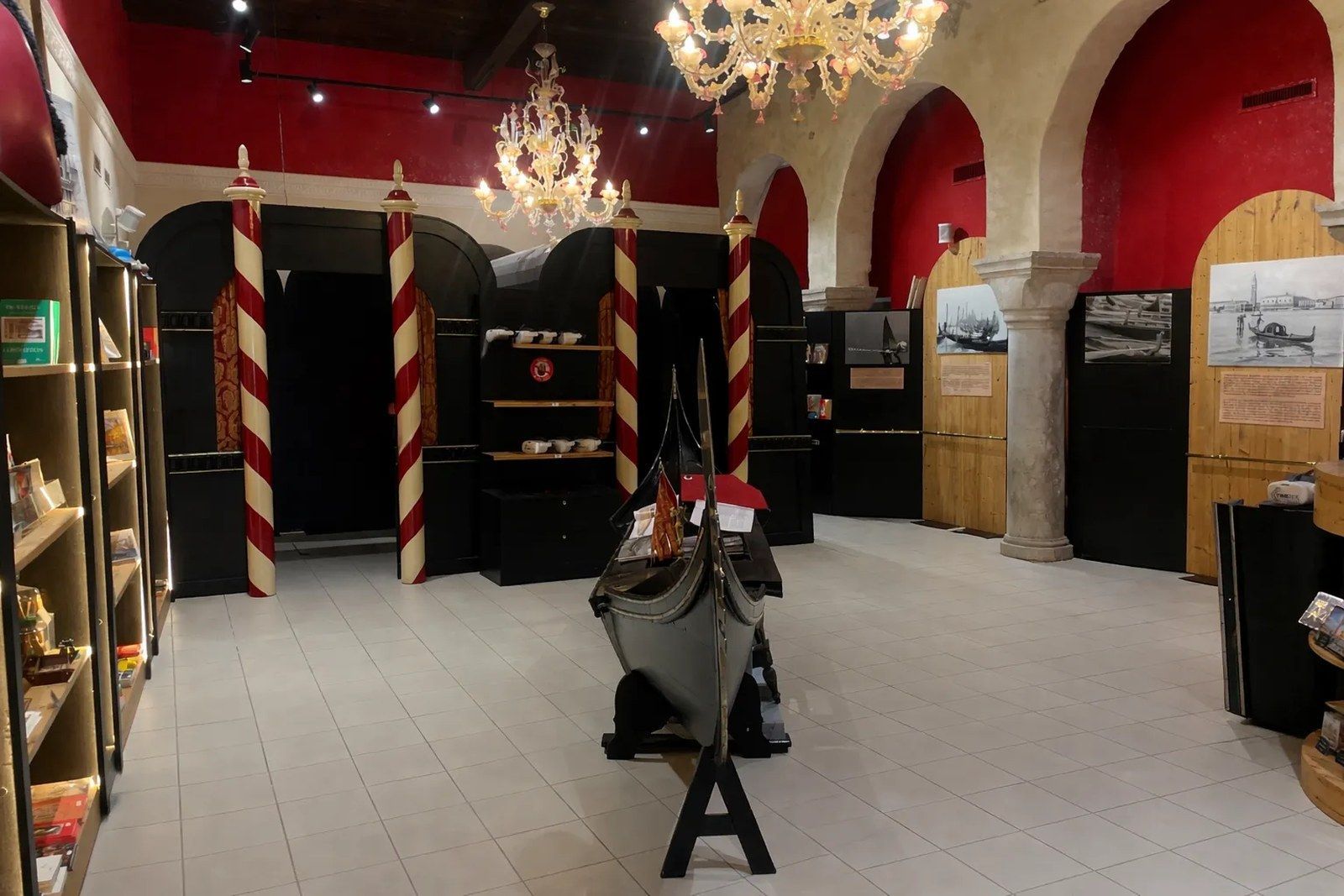
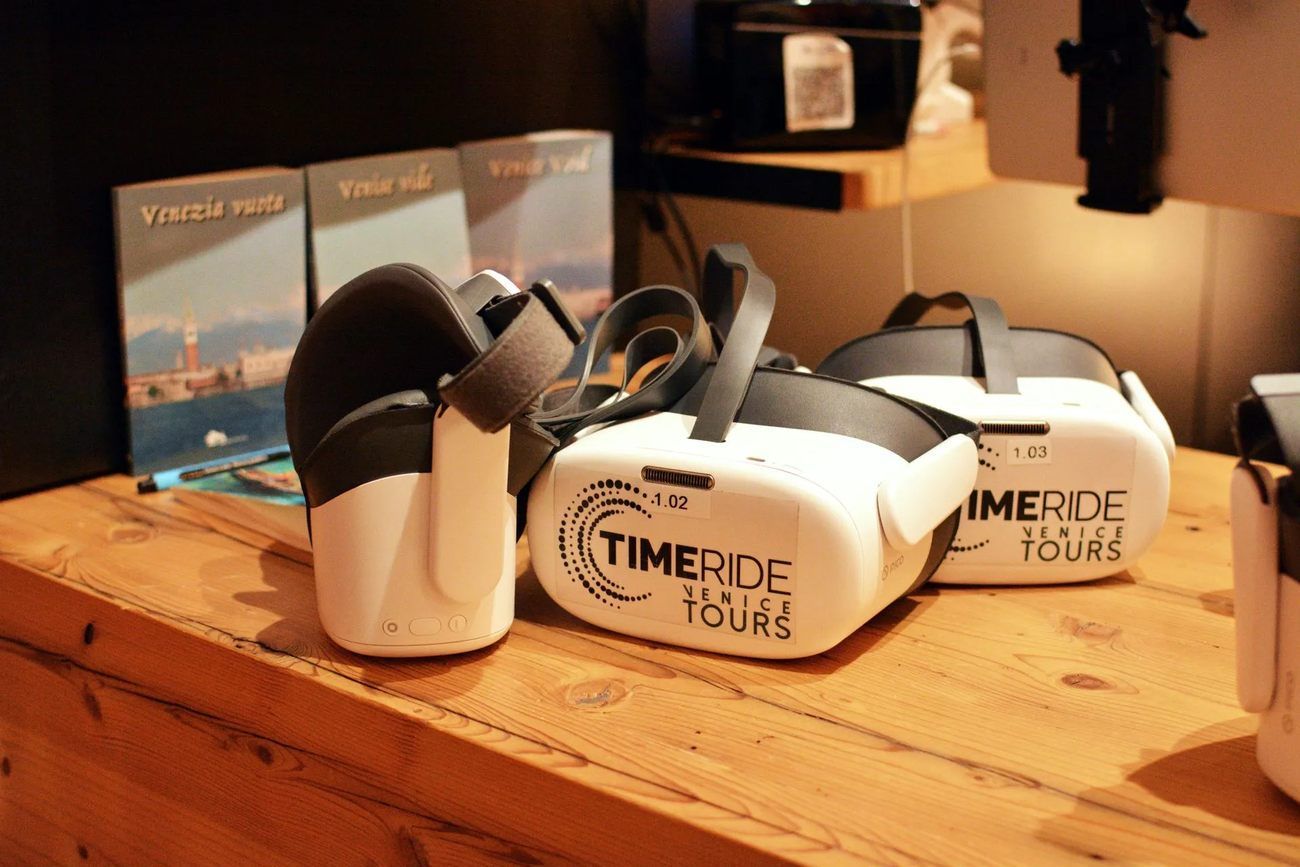
In Venice, there are stories that seem made to be told from a gondola. And whenever people speak about secret meetings, nighttime escapes, romantic encounters and small Venetian scandals, sooner or later one name always appears: Giacomo Casanova. You do not even need to have read his memoirs to imagine him. All it takes is an ordinary evening in Venice: the sound of water moving through narrow canals, lit windows reflected on the water, a gondola slowly passing beneath an almost empty bridge. Venice, especially at night, feels perfectly designed for Casanova’s stories. The curious thing is that in the 18th century the gondola had nothing to do with tourism. It was simply the most normal way to move around the city. Nobles, merchants, artisans, ambassadors… and naturally anyone who preferred not to attract attention all travelled this way. The Gondola as a Floating Refuge Anyone who lives in Venice quickly learns one thing: from the canals, the city looks completely different. In the 1700s this was even more evident. At night the narrow streets were poorly lit, while the gondola allowed people to move quickly from one palace to another without drawing attention. It is therefore no surprise that Casanova constantly used gondolas for his romantic encounters, but also to escape difficult situations. And knowing the character, difficult situations were never in short supply. In his memoirs he describes sudden escapes, last-minute meetings and nighttime crossings along the Grand Canal. Sometimes the gondola became almost like a floating private salon. According to a well-known episode, it was actually a gondola that changed Casanova’s destiny. During a nighttime crossing he helped an elderly Venetian nobleman who had suddenly fallen ill. Giacomo reacted quickly, saving him and accompanying him home. That nobleman was Matteo Bragadin, one of the most influential men in Venice at the time, who later became Casanova’s protector and patron. In other words, a simple gondola ride completely changed his life. Perhaps this is also why so many visitors still associate the gondola with romance and mystery. Venice has preserved that suspended atmosphere that makes everything feel slightly cinematic. Black Gondolas and Venetian Mystery Today black gondolas look incredibly elegant, but originally this choice also had practical and political reasons. During the 17th and 18th centuries noble families competed to decorate their gondolas in increasingly extravagant ways. Venice became filled with luxurious boats covered in gold details, precious fabrics and excessive decorations. The Republic eventually imposed black as the official colour in order to limit these excesses. The result was unintentionally perfect for people like Casanova: gondolas that all looked alike, discreet, elegant and much harder to recognise in the darkness of the canals. For someone constantly trying to enter and leave delicate situations unnoticed… it helped a lot. One of the most fascinating things about Venice at that time is how much the city lived at night. Theatres, parties, private receptions, music and endless dinners filled the evenings. Venice followed rhythms very different from other European capitals… and also very different from today. And the gondola connected all these places continuously. Even now, on certain winter evenings when fog covers the canals and the only sound is the oar touching the water, it is easy to understand why Venice inspired so many legends. Some corners of the city still seem identical to the stories of Casanova. Of course, today nobody escapes from noble palaces chased by jealous husbands or guards of the Serenissima anymore.  The Gondola Between History and Imagination Perhaps the reason Casanova is still linked to the gondola is exactly this: it perfectly represents the image of a mysterious, elegant and slightly theatrical Venice. And in the end, people who step into a gondola today are often looking for something similar. Not simply to see Venice, but to experience it with a different rhythm — slower, quieter and outside of time. If you want to better understand how Venetian gondolas really worked in Casanova’s time, you can visit the Gondola Gallery in Campo San Gallo and enjoy the immersive VR experience that will take you aboard a gondola through centuries of Venetian history.
Autore: Giacomo Berto 21 maggio 2026
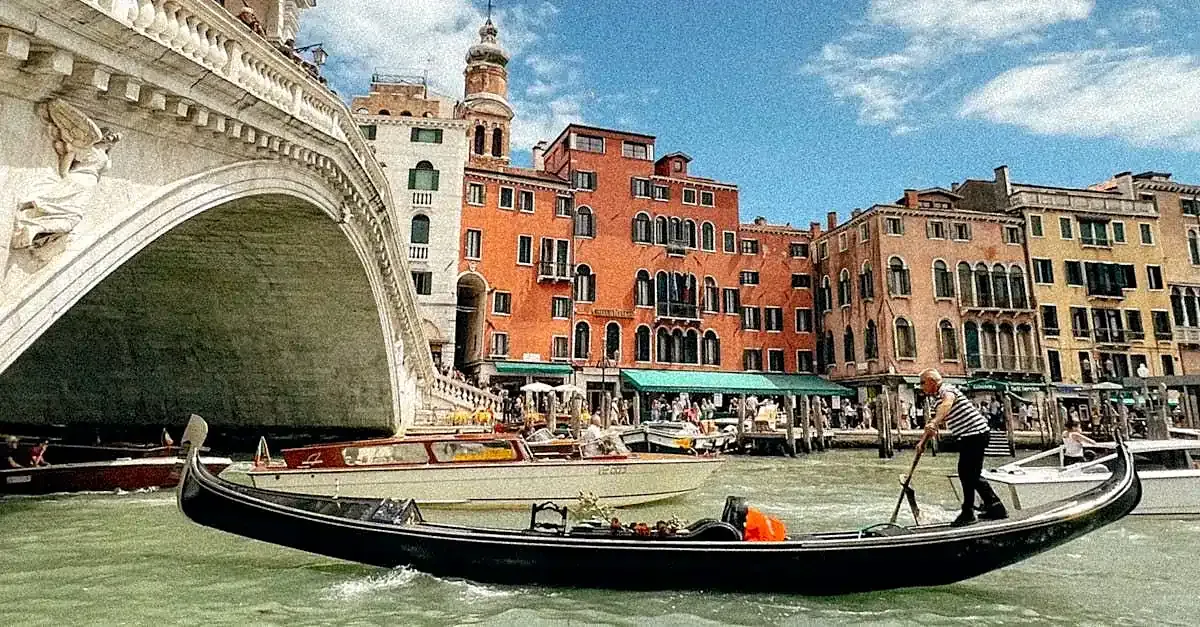
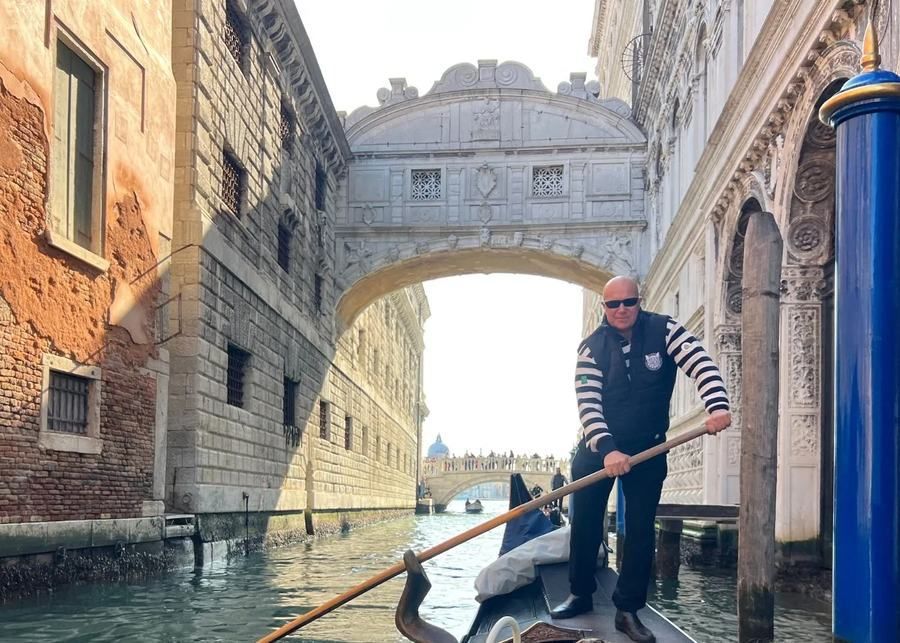
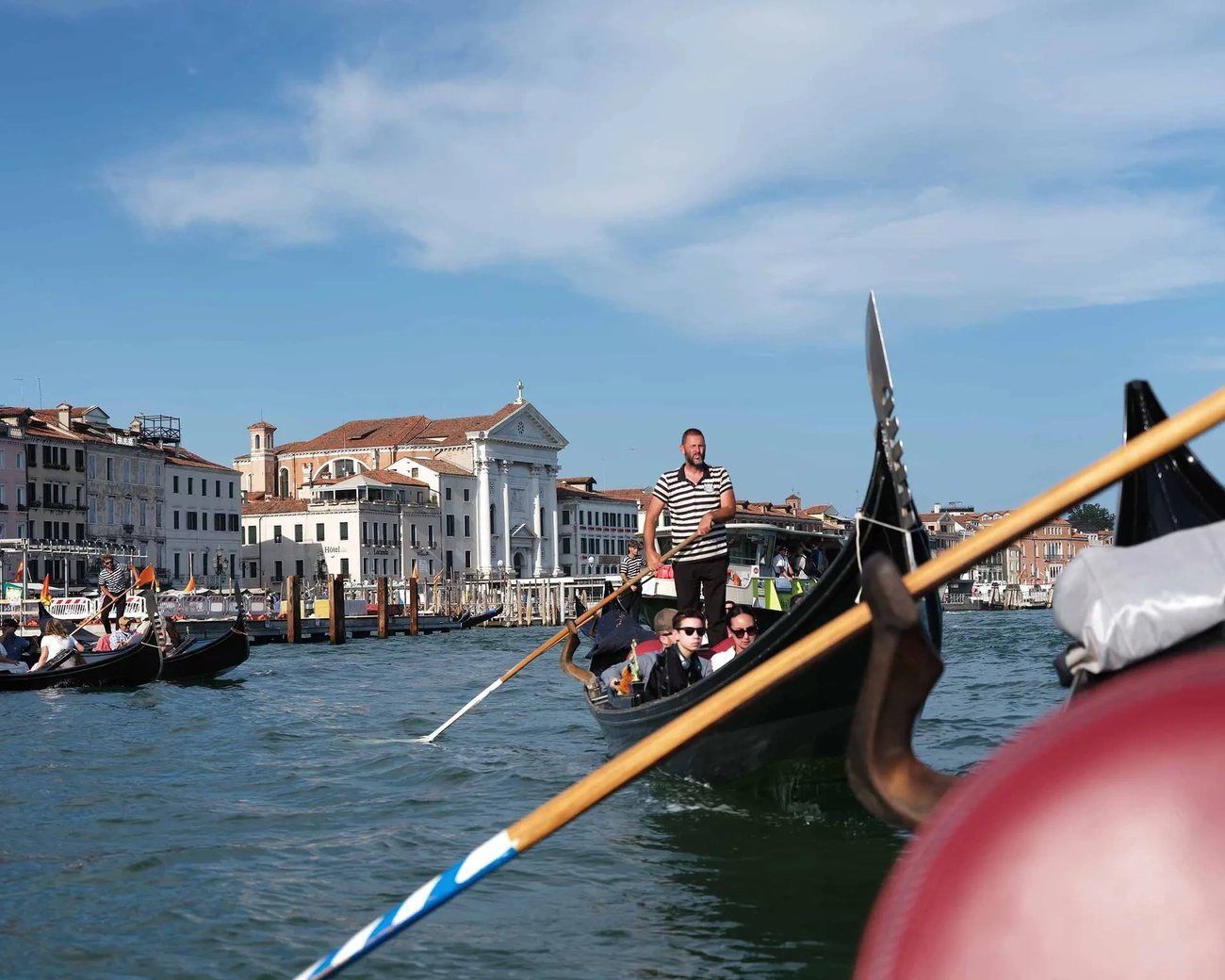
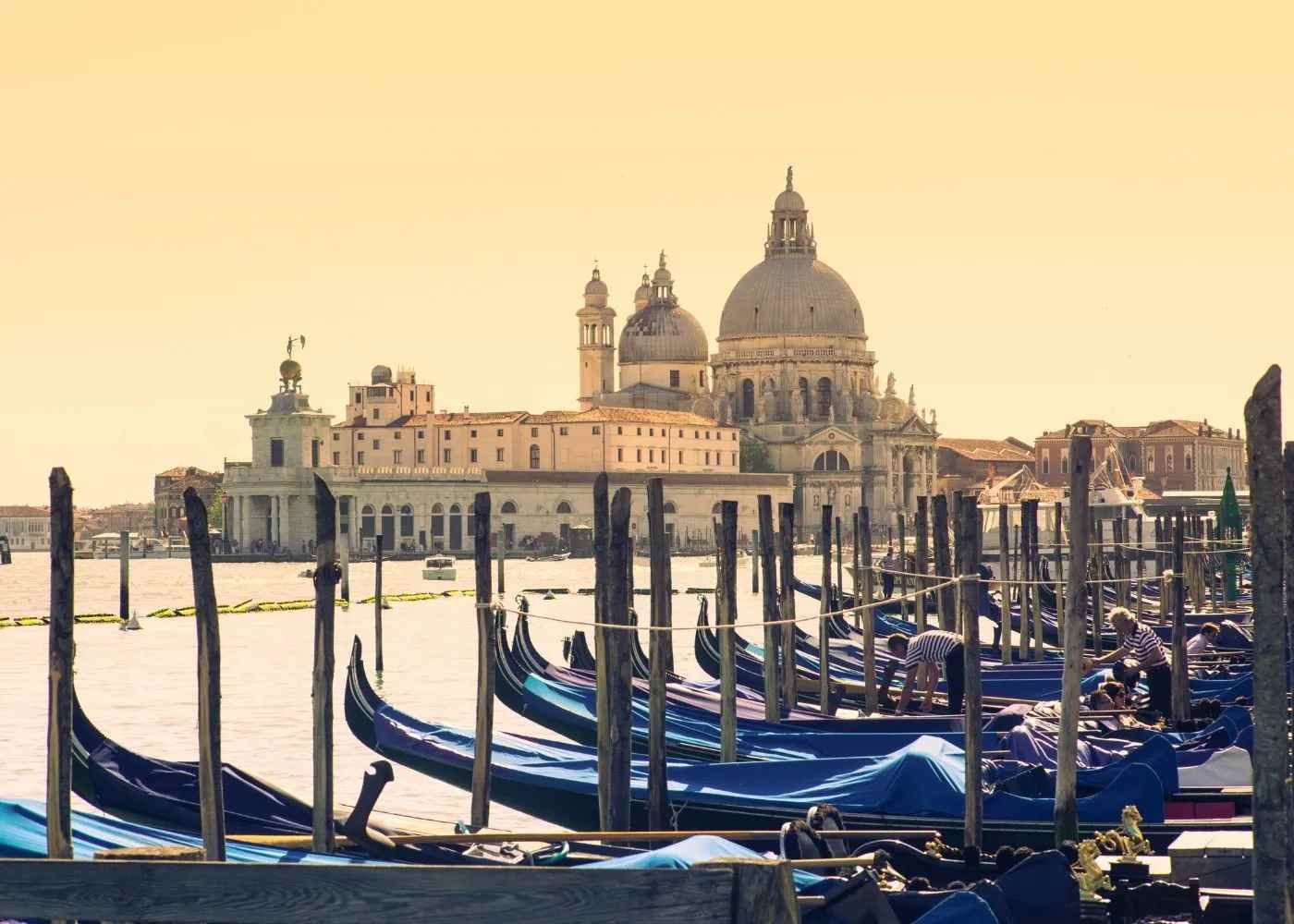
Today, seeing a vaporetto crossing the Grand Canal feels completely normal. At the end of the nineteenth century, however, the arrival of the first steam-powered boats created strong tensions in Venice, especially among gondoliers. At that time, the gondola was the city’s main means of transport. Thousands of gondoliers worked every day carrying people, goods, and travelers through the canals. Venice moved almost entirely on water, and the gondola was an essential part of daily life. The arrival of the vaporetti suddenly changed this balance. The Arrival of Steam Boats The first public steam services appeared in the second half of the nineteenth century. For many Venetians, these boats represented progress: they were faster, carried many more passengers, and provided more regular connections between Venice, the railway station, and the islands of the lagoon. The engine, however, changed Venice’s relationship with the water itself. Noise, waves, and speed entered canals in a city built around completely different rhythms. Newspapers of the time reported protests, strikes, and moments of strong tension between gondoliers and steam boat companies. In some cases, the new vessels were seen almost as a foreign presence inside the historic city. A Transformation Affecting the Entire City It is important to remember that Venice did not have — and still does not have — streets used by cars or buses. Water was at the center of all urban mobility. Changing the transport system meant changing the economic balance of thousands of families and transforming the functioning of the city itself. Many gondoliers saw the vaporetti as a threat not only to their jobs, but also to the central role their profession had held in Venetian life for centuries. The gondola was not simply a practical means of transport: it was part of the city’s identity. Over time, however, Venice truly changed. Vaporetti became essential for public transportation, while the gondola slowly transformed into something different: a cultural symbol and an experience linked to the city’s history and international image.  Gondolas and Vaporetti in Venice Today What is interesting is that Venice did not eliminate either system. Even today, gondolas and vaporetti share the same canals while representing two different functions of the city. On one side there is the vaporetto, still essential to everyday Venetian life. On the other, the gondola, which preserves a slower, quieter, and more traditional relationship with the water. The gondoliers’ revolt therefore tells a story that goes beyond a simple professional conflict. It marks the moment when Venice began confronting modernity without wanting to lose its historic character. If you would like to explore how the gondola evolved through the centuries, you can visit the Gondola Gallery in Campo San Gallo. A fully immersive VR experience will allow you to discover how the gondola changed over time before boarding your real gondola tour.
Autore: Giacomo Berto 21 maggio 2026
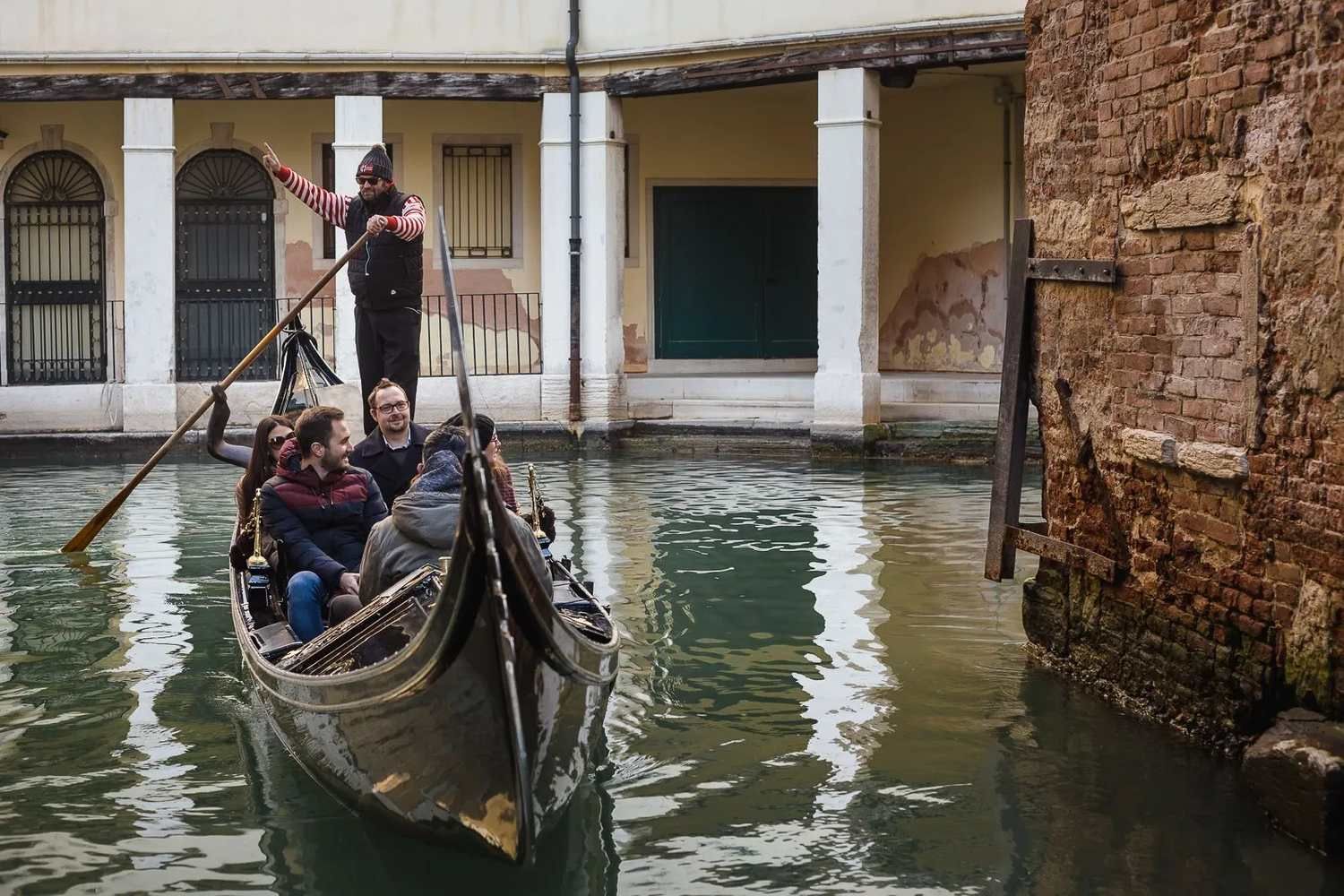
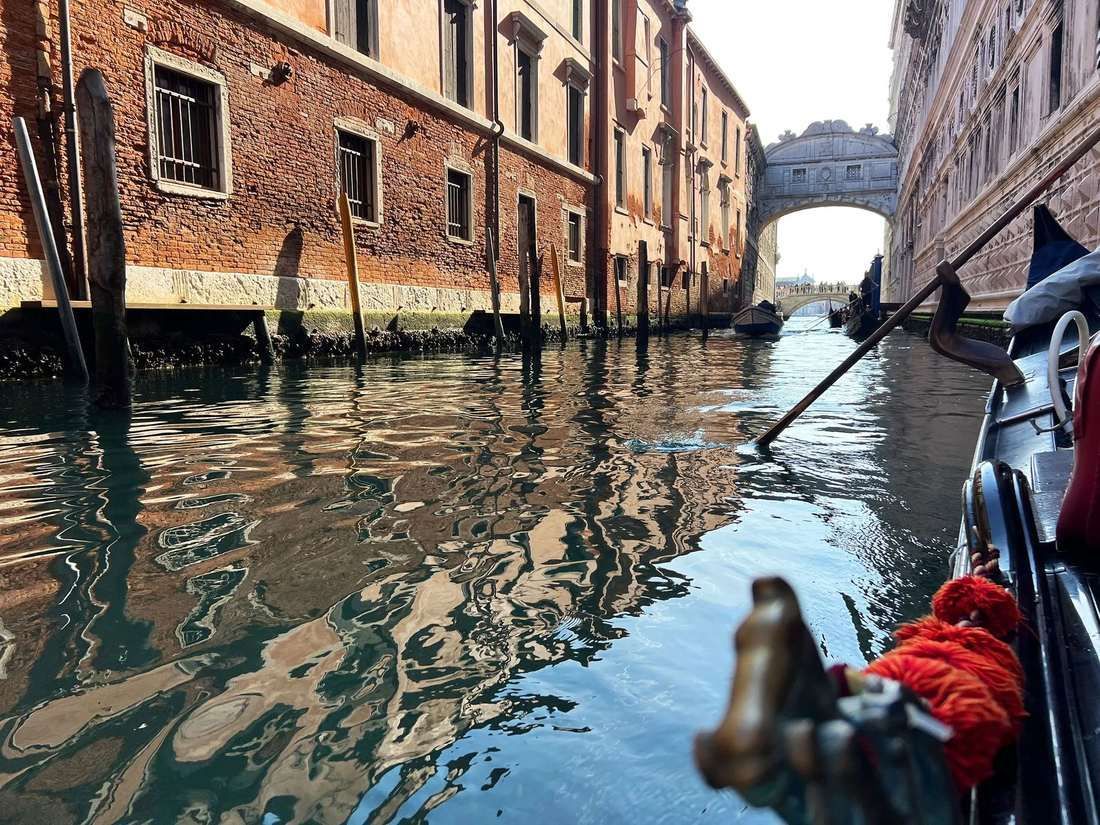
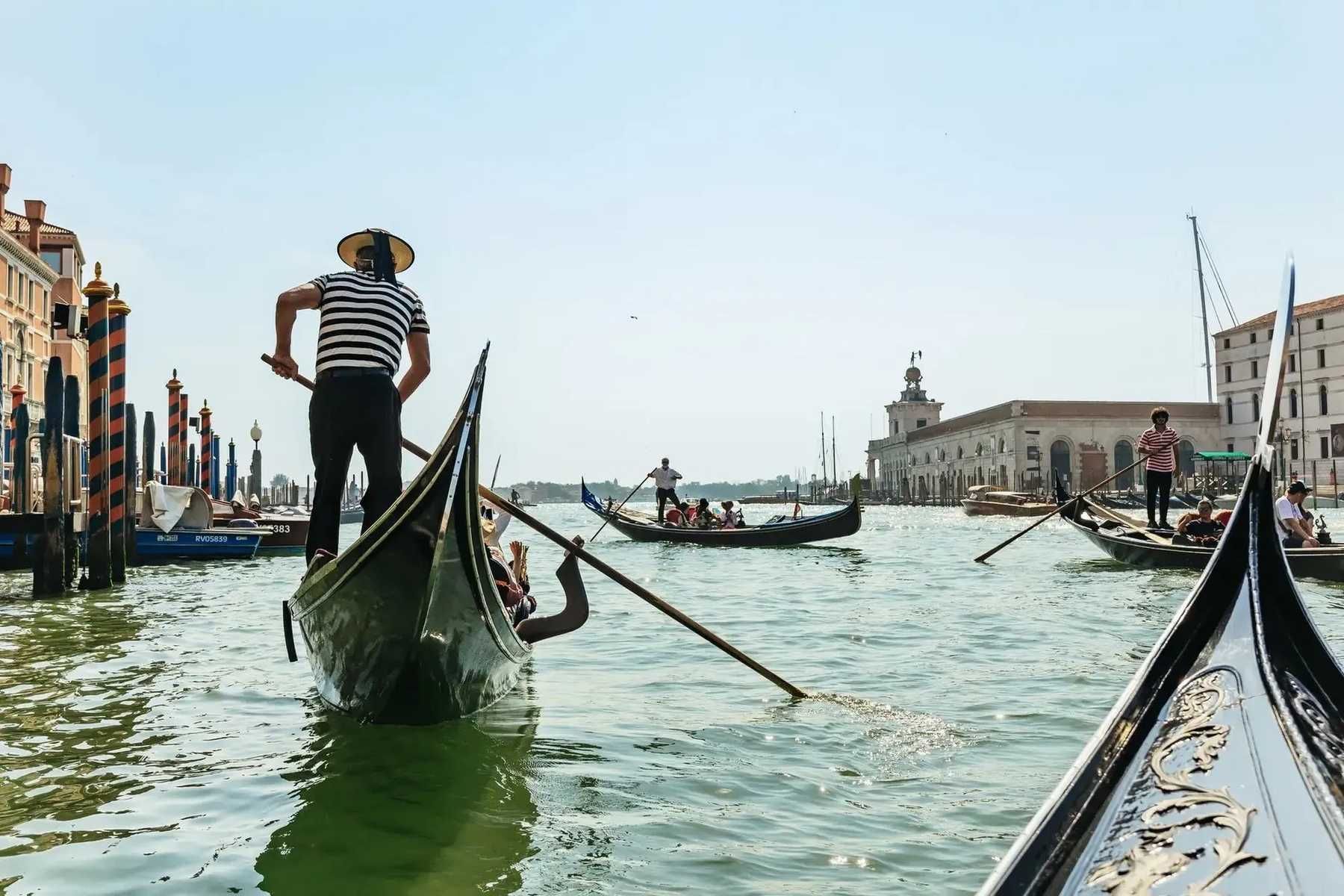
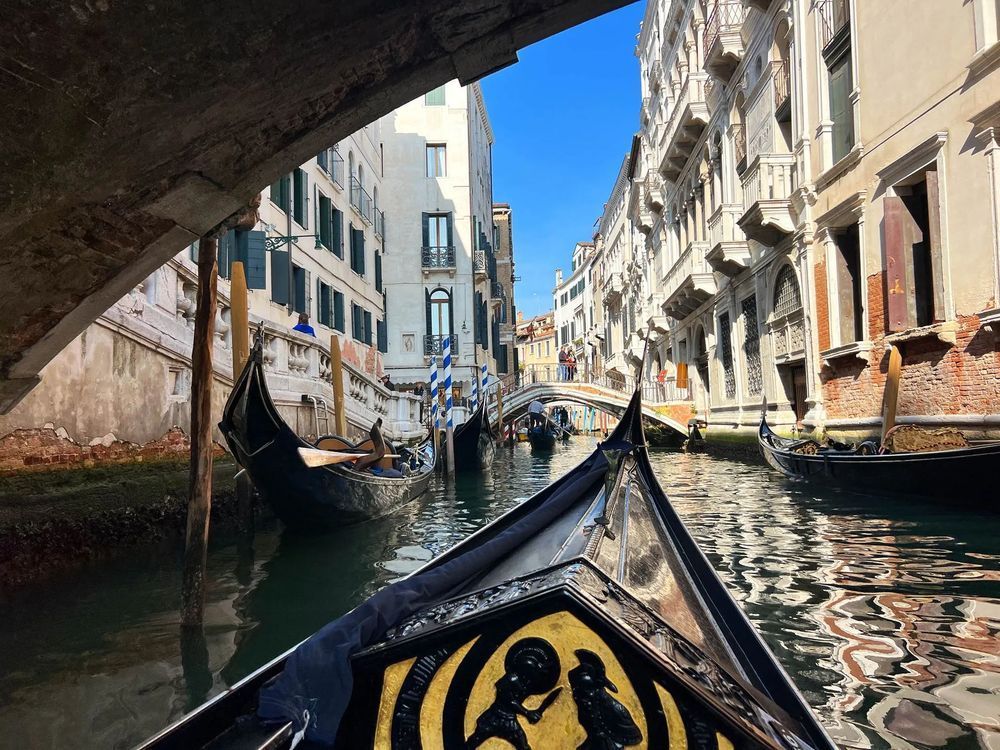
There are images that, on their own, can tell the story of an entire city. For Venice, that image is almost always the same: a black gondola gliding slowly across the water, perhaps at dawn, with palaces reflected in the still-silent canals. I notice this constantly when I meet tourists who have just arrived. Even people visiting Venice for the first time have already had the gondola in their imagination for years, sometimes forever. They have seen it in films, photographs, paintings, and advertisements. It is one of the most recognizable symbols in the world, to the point that its silhouette alone is enough to immediately understand where we are. But living here, I can say that the most interesting thing is something else: the gondola did not become famous because it was created for tourists. The opposite happened. For centuries it was a real part of everyday Venetian life, and only later did the world begin to identify it with Venice. A unique shape born from experience One of the things that surprises people most when they look closely at a gondola is that it is not symmetrical. From a distance it seems perfectly balanced, but in reality it is slightly asymmetrical to compensate for the force of the gondolier rowing on only one side. When I explain this to visitors, many are genuinely surprised. They think its elegant shape is purely aesthetic, but it actually comes from centuries of technical knowledge and craftsmanship. Even today, every gondola is built through a complex process involving different types of wood and skills passed down over generations. That is why, in Venice, the gondola is not seen simply as a boat: it is part of the city’s cultural identity. When the gondola conquered the world The gondola’s international fame grew mainly during the 19th and 20th centuries, when Venice became an essential stop on the European Grand Tour. Painters, writers, and travelers began describing the city as a place suspended between water, art, and silence. The gondola became the perfect symbol of this romantic and mysterious image. Then came cinema, photography, and international tourism. In major films set in Venice, there is almost always at least one gondola scene. It happened in Hollywood productions, art films, commercials, and even animated movies. Gradually, its image went beyond its original meaning and became a global icon. The gondola today Today the gondola mainly accompanies visitors, but it still represents a very particular way of experiencing Venice. From the water, the city changes completely: the noise fades, movements slow down, and many details suddenly become visible. That is also why it continues to fascinate people from all over the world. In a fast and noisy era filled with identical images everywhere, the gondola still preserves something that belongs only to Venice. If you want to better understand how a gondola really works, how it is built, and the details that often go unnoticed during a ride, you can visit the Gondola Gallery in Campo San Gallo. And if you want to experience Venice from its most authentic perspective, the best way is still to step on board. Because a gondola tour is not just a scenic ride: it is a slow and silent way to truly enter the rhythm of the city, crossing canals that are often impossible to see from the streets.
Autore: Giacomo Berto 21 maggio 2026
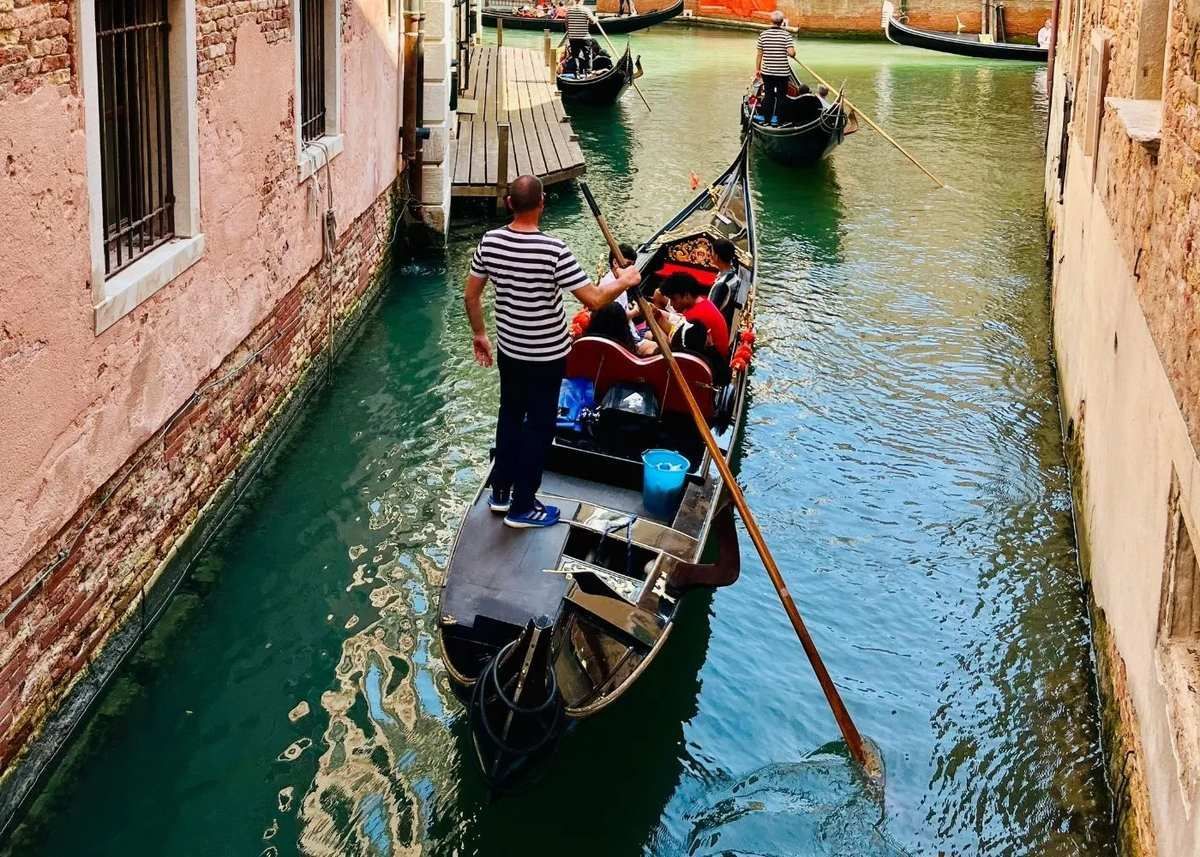
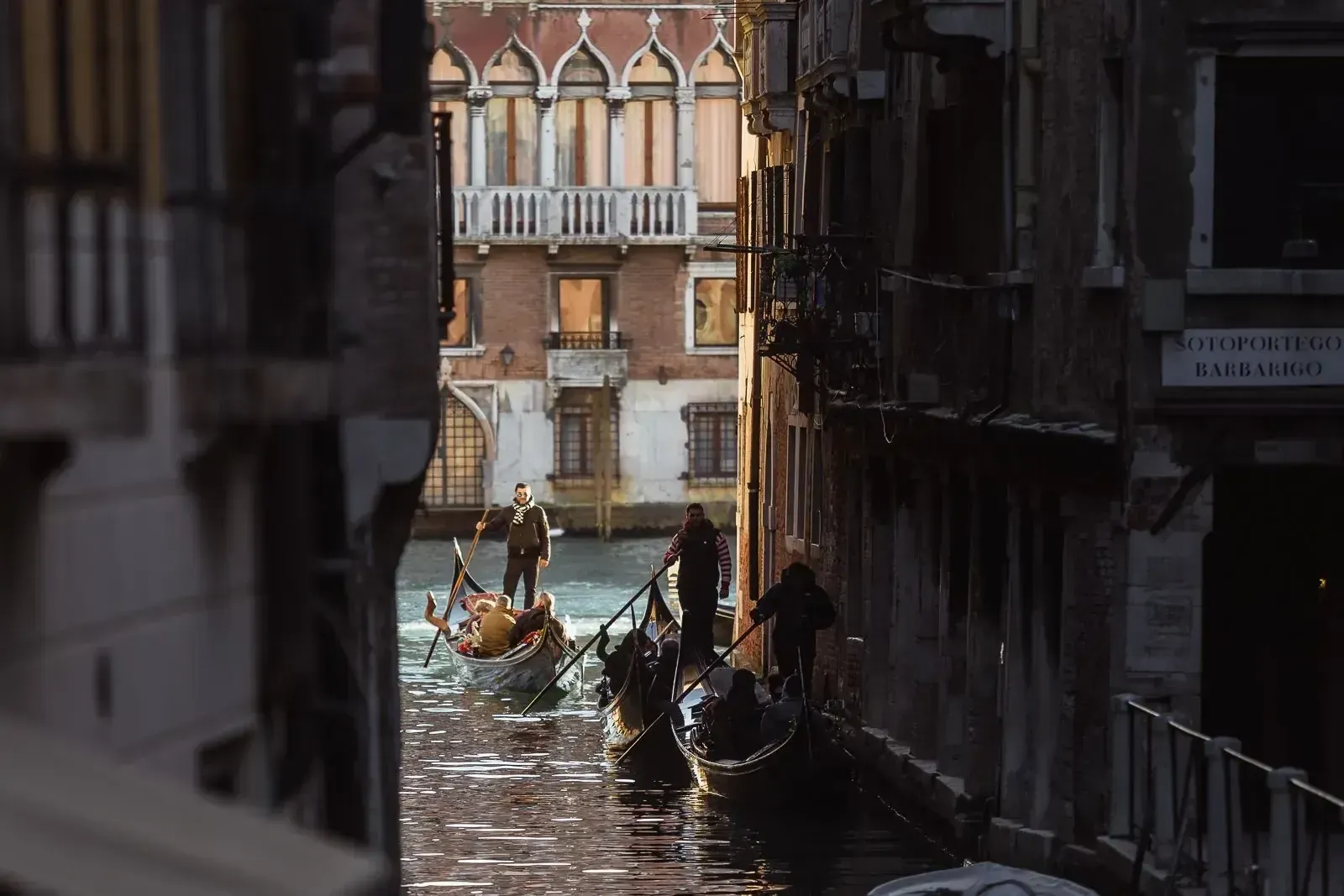
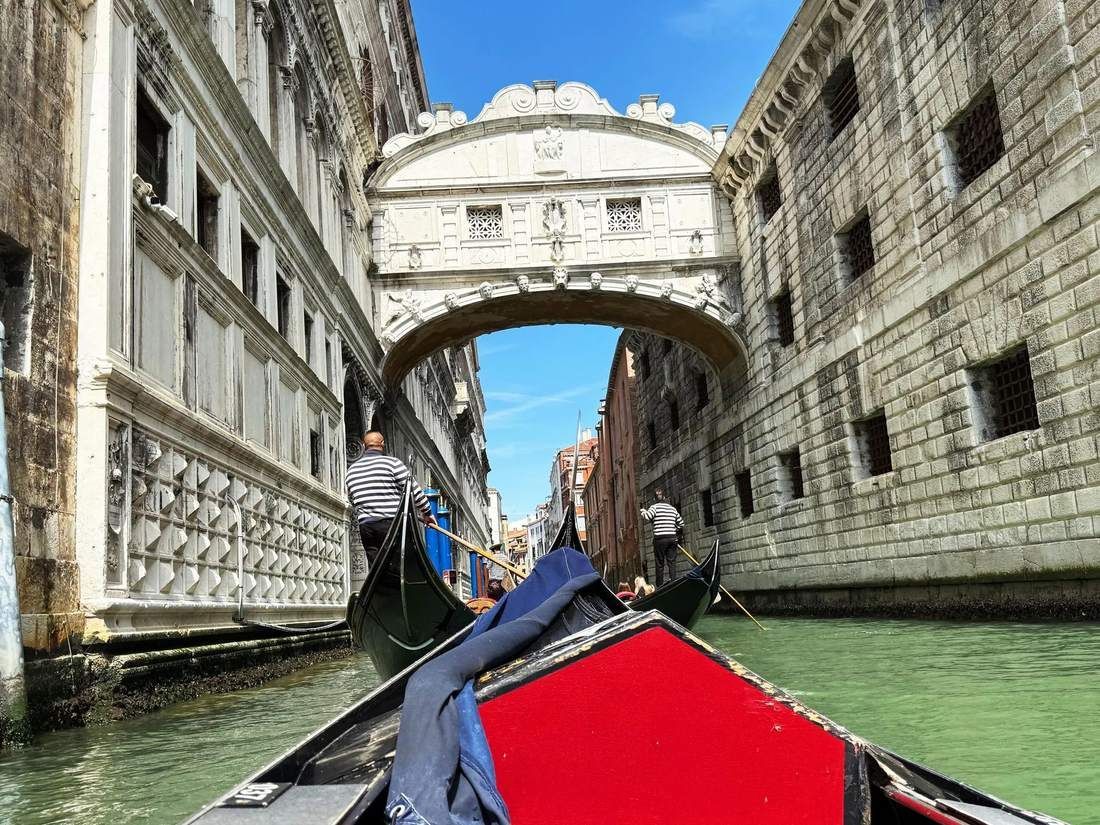
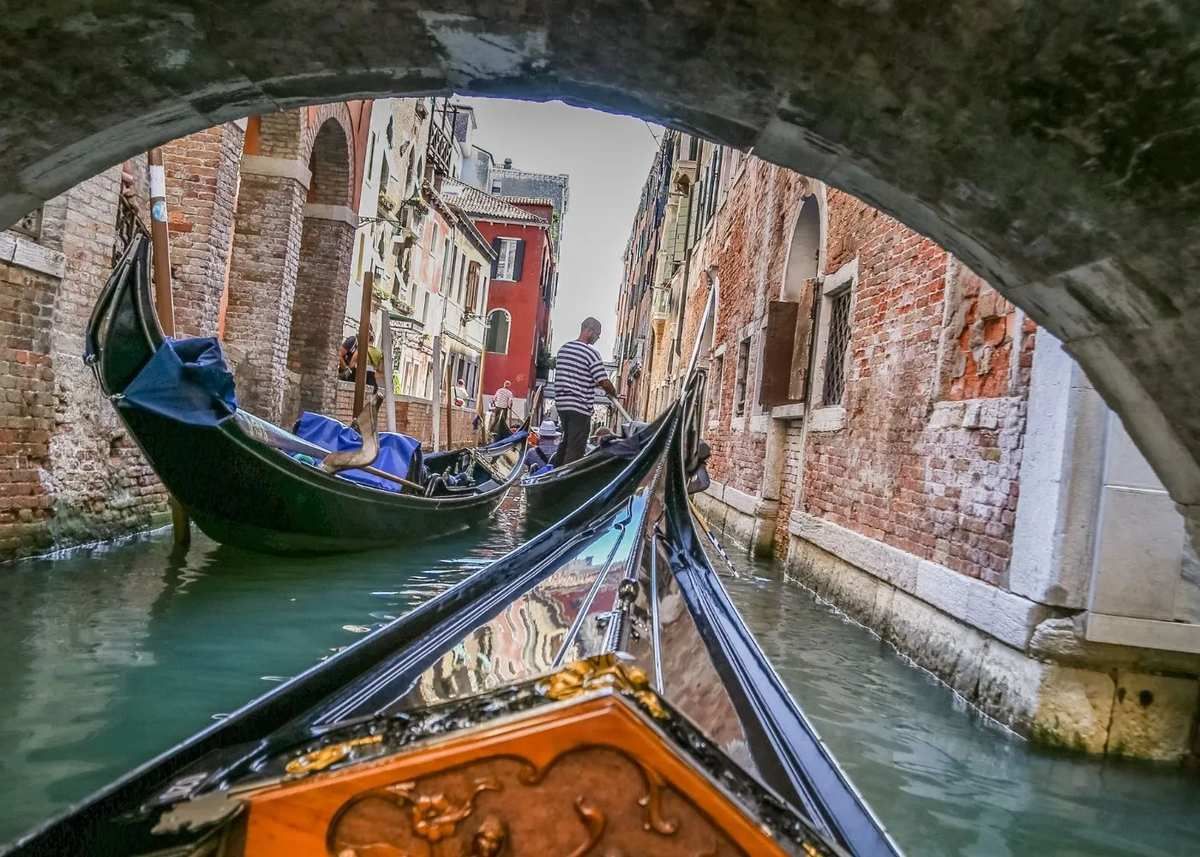
There’s one thing that never stops being impressive: seeing a gondola appear on the big screen. In Venice, it’s quite common to come across a film set. You might find a bridge closed for a few hours, a gondola lit by huge spotlights, or a film crew working at dawn along an empty canal. Then, months later, you see everything again at the cinema and think: “I walk there all the time.” The gondola works so well in films because it does something very rare: with just one shot, you instantly know where you are. No other boat in the world has such a recognizable image. A few movies come to mind. In The Tourist, starring Johnny Depp and Angelina Jolie, Venice becomes almost exaggeratedly elegant: hotels on the Grand Canal, reflections at night, gondola arrivals in front of palaces. Everything is designed to create the most cinematic Venice possible. And it works. In Casino Royale, the atmosphere changes completely. Daniel Craig moves through Venice with chases and dramatic scenes on the Grand Canal. The gondola appears in a version that is both ironic and spectacular. The city suddenly feels fast, tense, and full of movement. Then there’s Pane e Tulipani, which remains one of the most beautiful films set in Venice because it doesn’t try to turn the city into an unreachable fantasy. Venice feels more real, quieter, almost everyday. Even the gondola seems to belong naturally to the city’s normal life, not only to visitors. It’s easy to understand why cinema keeps returning here: Venice changes completely depending on how it is told. It can be mysterious, romantic, elegant, or even surreal. But the gondola always manages to stay at the center of the scene. And it’s funny how the opposite can happen too: you take a gondola ride, enter a narrow canal, pass under a bridge, or suddenly reach the Grand Canal… and for a second, it feels as if you’ve stepped inside a movie. If you want to discover more about the history and details of the Venetian gondola, you can visit the Gondola Gallery in Campo San Gallo. And then do what almost everyone imagines at some point when arriving in Venice: step on board for real. Because between reflections on the water, palaces slowly passing by, and the silence of the canals, the feeling is that of becoming the protagonist of the most beautiful movie ever set in Venice: your own.
Autore: Giacomo Berto 7 maggio 2026
Discover gondolas in films like James Bond and The Tourist. Book your Venice gondola tour and enjoy a cinematic experience on the canals.
Autore: Giacomo Berto 30 aprile 2026
Discover when gondolas were Venice's ambulances. From Casanova’s stories to city history, book your tour for a unique experience on the canals.
Autore: Giacomo Berto 24 aprile 2026
Discover the true meaning of the gondola in Venice. From elegant weddings to silent funerals, experience the authentic soul of the city on the water.
Autore: ANDREA CACOPARDI 27 marzo 2026
Discover the ancient tradition of Grand Canal crossings, the Mariegole rules, and the Gondola Gallery.
Autore: ANDREA CACOPARDI 27 marzo 2026
Imagine Venice with only one bridge! Discover how 10,000 gondoliers moved the city and how Traghetti still work today. Visit Gondola Gallery by Venice Tours.
Autore: Elena Giacon 10 marzo 2026
Visit the Gondola Gallery in Venice and discover the secrets of the gondola through historical objects, a cross-sectioned gondola and traditional craftsmanship.
Autore: ANDREA CACOPARDI 10 marzo 2026
Discover the Gondola Gallery in Venice. Enjoy a unique VR experience that lets you travel through centuries of Venetian history and explore the gondola world.
Autore: Elena Giacon 2 marzo 2026
Guide by Caterina Pepoli: learn how to board safely, the role of the ganser and the rules to follow for your perfect Gondola Experience™. Read our tips.
Autore: Elena Giacon 2 marzo 2026
Discover the Felze, the mysterious cover of the Venetian gondola. From romantic encounters to the "Mermaid" bathing boat. A Gondola Gallery VR guide.
Autore: Elena Giacon 2 marzo 2026
Discover the history of gondoliers: from theater critics to noble bodyguards and keepers of scandalous secrets. The ultimate guide by Venice Tours.
Autore: Elena Giacon 2 marzo 2026
Discover the best-kept secrets of the Venetian gondola: from Voga alla Veneta to the mystery of its black color. The ultimate guide by Venice Tours.
Autore: Elena Giacon 2 marzo 2026
What do the 6 teeth on a gondola mean? Discover the secrets of the Prow Iron, the Dolphin, and the Scimier. Visit Gondola Gallery by Venice Tours.
Autore: Elena Giacon 2 marzo 2026
Discover the true effort of steering a 400kg gondola. The hierarchy of the stazio (Bancale, Ganser, Fiosso) and the techniques of Stagando and Premando.
gondola-ride-venice-venice-tours
Autore: Elena Giacon 9 febbraio 2026
What do the 6 teeth on a gondola mean? Discover the secrets of the Prow Iron, the Dolphin, and the Scimier. Visit Gondola Gallery.
venetian-gondola-venice-venice-tours
Autore: Sindri Traustason 17 novembre 2024
The gondola has always fascinated and inspired artists and writers around the world with its elegance and aura of mystery.
gondola-ride-venice-venice-tours
Autore: Sindri Traustason 14 novembre 2024
Today, Venice has about 400 gondoliers, guardians of a centuries-old tradition that has fascinated millions of visitors over the years.
venetian-gondola-cross-the-venetian-lagoon-venice-venice-tours
Autore: Sindri Traustason 8 novembre 2024
You cannot leave Venice without admiring the city from another perspective, without filling your eyes with the sight of palaces overlooking the canals.
gondola-venice-tours
Autore: Sindri Traustason 8 novembre 2024
Gondolas are unmistakable symbols of Venice, representing not only a unique means of transportation but also a floating work of art.
gondola-ride-venice-venice-tours
Autore: Sindri Traustason 7 novembre 2024
The gondola, an iconic symbol of Venice, has undergone many transformations over the centuries.
gondolier-venice
Autore: Sindri Traustason 29 ottobre 2024
The gondoliers of Venice are iconic figures in the city, renowned for their skill in maneuvering the elegant gondolas through the narrow and fascinating canals.
canals-venice-tours
Autore: Sindri Traustason 28 ottobre 2024
Venice is a city built on water and it is not surprising that Venice's canals and rios are an important part of the city's identity.
gondola-ride-venice-venice-tours
Autore: Sindri Traustason 21 ottobre 2024
Exploring Venice by gondola is a unique experience that allows you to immerse yourself in the tradition and beauty of the lagoon city.